
Fast, reliable storm damage repair for wind, rain, and debris impacts—focused on stopping leaks, restoring protection, and documenting what happened with clear next steps.
Get a Free Estimate
(973) 510-1541
Done Rite Exteriors > Blog
Emergency priority available • Photo documentation • Written estimates • Clean jobsite





Storm Damage? Act Before Leaks Spread
Storm damage can start small—lifted shingles, damaged flashing, or exposed underlayment—and quickly turn into interior leaks and bigger repair scopes.
Common storm damage signs:
-

Missing, lifted, or creased shingles/materials -
Leaks during or after heavy rain -
Water stains on ceilings or attic moisture -
Damage around chimneys, vents, skylights, or valleys -
Debris impact marks or punctures -
Pieces of roofing found on the ground after wind

If you suspect storm damage, an inspection is the safest first step.
What Storm Damage Roof Repair Includes
Storm repairs are about restoring roof protection and preventing repeat leaks—especially at transitions.
Storm damage repair typically includes:
-
Storm damage inspection and photo documentation -
Identification of damaged areas and likely leak points -
Targeted replacement/repair of damaged roofing materials -
Flashing repair at chimneys, vents, valleys, and roof-to-wall transitions (as needed) -
Leak prevention detailing and sealing where appropriate -
Cleanup and final walkthrough -
Written scope and estimate for repairs
Our Storm Damage Repair Process
You’ll know what’s happening before, during, and after the job.

Step – 1
Inspection & photos
We document damage and focus on leak-prone details.
Step – 2
Explain findings
What’s damaged, what’s urgent, and what can be scheduled.
Step – 3
Written scope & estimate
Clear repair plan and expectations.
Step – 4
Repair work
Materials and transitions repaired to restore protection.
Step – 5
Final walkthrough
We review the repaired areas and next steps.
Common Storm Damage Roof Problems We Fix
Storm damage repair focuses on restoring the roof system properly after the storm.
-
Wind Damage -
Rain Intrusion at Flashing/Transitions -
Debris Impact Damage -
Gutter/Edge-Related Issues
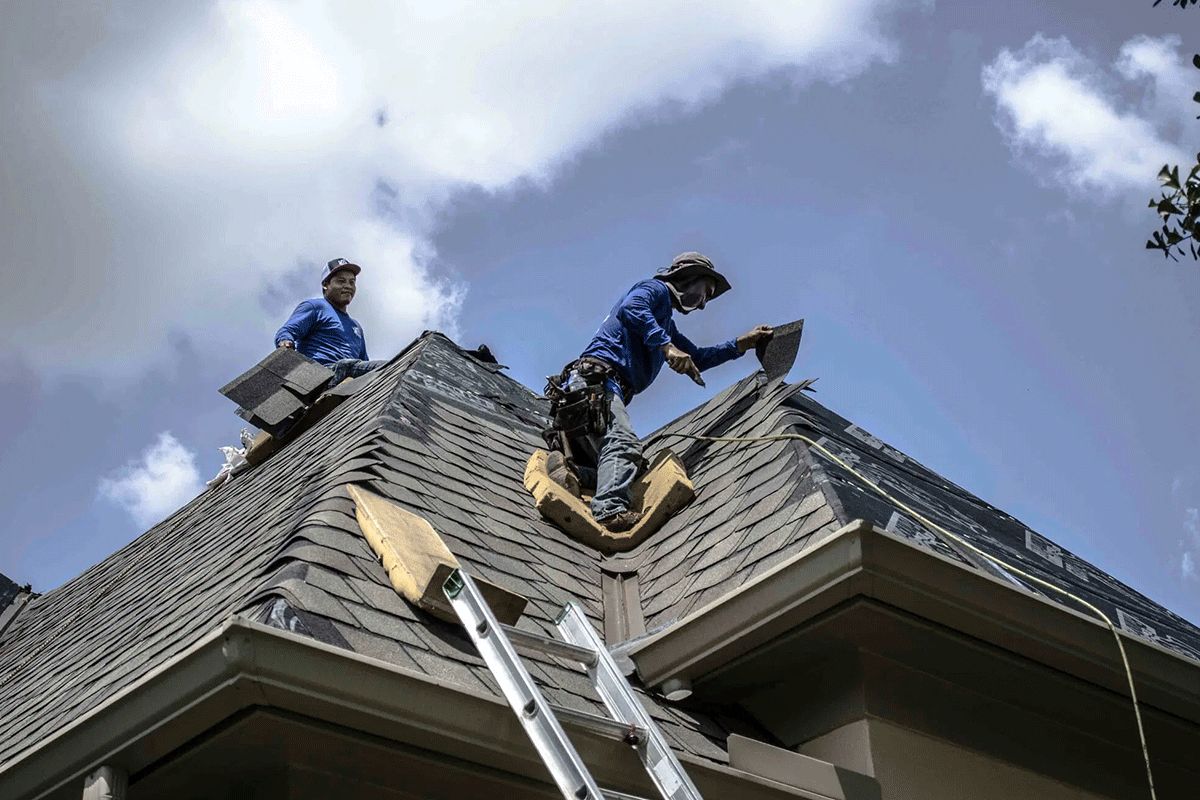
Roof Repair (Leak Fix + Flashing)
Leak traced to compromised flashing and missing shingles. Replaced damaged components, sealed transitions, and verified the repair with a controlled water test.
Materials Used (Roof Repair):
- Architectural asphalt shingles (matching color/line)
- Ice & water shield (peel-and-stick membrane) for vulnerable areas
- Synthetic underlayment patch (where needed)
- Step flashing / counter flashing (aluminum or galvanized steel)
- Pipe boot / vent flashing (as applicable)
- Roofing sealant (exterior-grade)
- Roofing nails (galvanized)
- Starter strip shingles (if repair requires edge rebuild)
- Starter strip shingles (if repair requires edge rebuild)
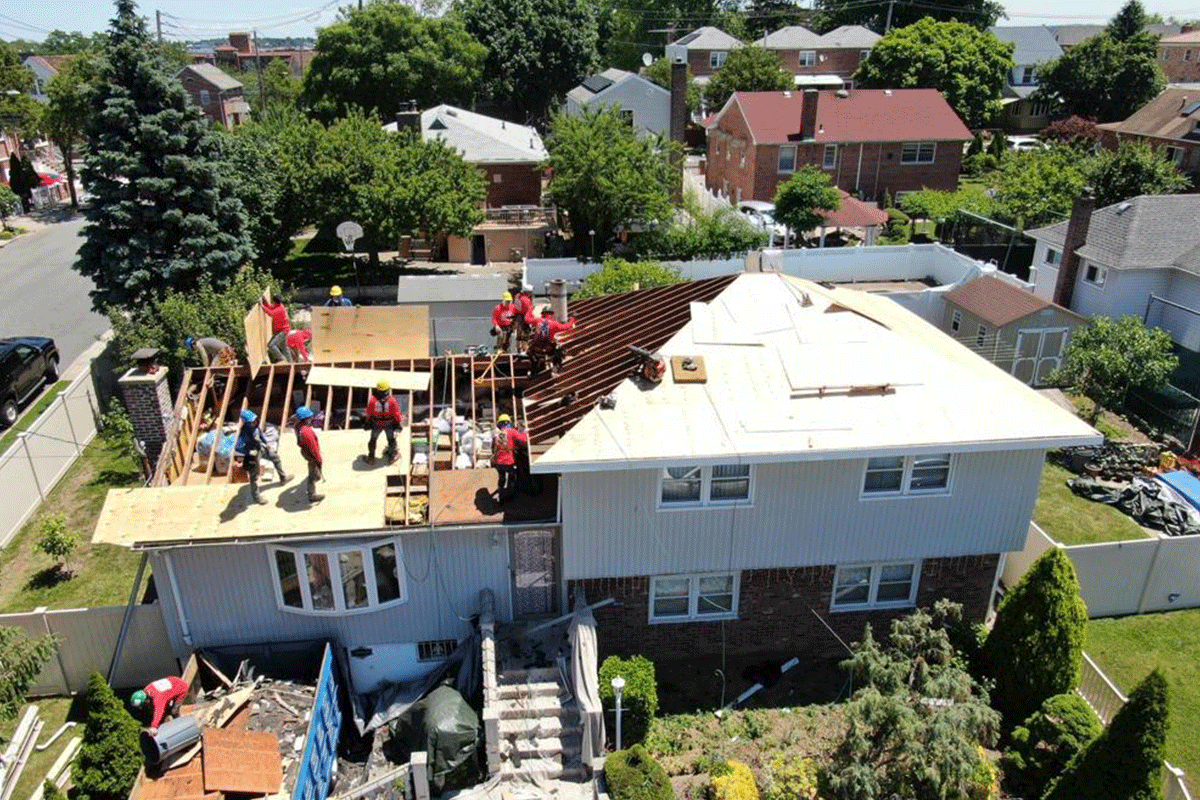
Roof Replacement (Full System)
Full roof replacement due to age and granule loss. Removed old materials, repaired decking where needed, upgraded protection at eaves/valleys, and installed a new ventilation-ready system.
Materials Used (Roof Replacement):
- Architectural shingles (or designer shingles, if applicable)
- Starter strip + ridge cap shingles
- Ice & water shield (eaves/valleys/penetrations)
- Synthetic underlayment (full coverage)
- Pipe boot / vent flashing (as applicable)
- Drip edge (aluminum) for eaves and rakes
- Valley protection (ice & water + woven/closed-cut valley as specified)
- Flashing package (chimney, walls, vents)
- Ridge vent system (with matching intake ventilation if required)
- Pipe boots / vent flashings
- Fasteners: galvanized roofing nails
- Plywood/OSB sheathing (only where replacement is needed)
Roof Repair (Leak Fix + Flashing)
Leak traced to compromised flashing and missing shingles. Replaced damaged components, sealed transitions, and verified the repair with a controlled water test.
Materials Used (Roof Repair):
- Architectural asphalt shingles (matching color/line)
- Ice & water shield (peel-and-stick membrane) for vulnerable areas
- Synthetic underlayment patch (where needed)
- Step flashing / counter flashing (aluminum or galvanized steel)
- Pipe boot / vent flashing (as applicable)
- Roofing sealant (exterior-grade)
- Roofing nails (galvanized)
- Starter strip shingles (if repair requires edge rebuild)
- Starter strip shingles (if repair requires edge rebuild)
Roof Replacement (Full System)
Full roof replacement due to age and granule loss. Removed old materials, repaired decking where needed, upgraded protection at eaves/valleys, and installed a new ventilation-ready system.
Materials Used (Roof Replacement):
- Architectural shingles (or designer shingles, if applicable)
- Starter strip + ridge cap shingles
- Ice & water shield (eaves/valleys/penetrations)
- Synthetic underlayment (full coverage)
- Pipe boot / vent flashing (as applicable)
- Drip edge (aluminum) for eaves and rakes
- Valley protection (ice & water + woven/closed-cut valley as specified)
- Flashing package (chimney, walls, vents)
- Ridge vent system (with matching intake ventilation if required)
- Pipe boots / vent flashings
- Fasteners: galvanized roofing nails
- Plywood/OSB sheathing (only where replacement is needed)
Our Services
Discount Coupon


Get a Free Roof Replacement Estimate
What Affects Skylight Replacement Cost in New Jersey?
Repair cost depends on the type, location, and extent of damage.
Key cost factors include:
-

Number of damaged areas -

Roof pitch/height and access -
Flashing and transition complexity


-
Material type and replacement needs -
Whether repairs are localized or multi-area


Why Homeowners Choose Done Rite
Roof replacement pricing depends on scope, roof design, and the details required.
Clear, written estimates (no vague surprises)
Photo documentation and transparent communication
Repairs focused on lasting leak prevention

Clean jobsite and respectful crews
Scheduled work with timeline expectations
Honest repair vs replacement guidance
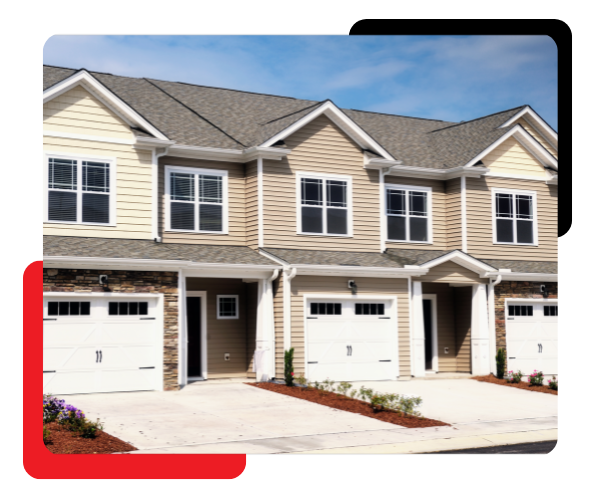
How Fast Can We Inspect Storm Damage?
Timing depends on weather conditions and volume, but storm inspections are prioritized—especially when leaks are active or damage is visible.
Factors that affect response:
Severity and number of affected areas
Weather windows and safe roof access
Roof height/complexity and access needs
Storm Damage Repair FAQs
Can storm damage cause leaks even if the roof looks okay?
Yes. Lifted shingles and damaged flashing can allow water in during heavy rain or wind-driven storms.
Do you document storm damage?
Yes. We provide photo documentation when applicable so you understand the scope and options.
Should I schedule emergency repairs or storm repair?
If you have active leaks, start with emergency repairs. If the storm has passed and you’re assessing damage, schedule a storm inspection.
Do I need permits for storm repairs?
Permit requirements vary by municipality and scope. If permits are required for permanent work, we’ll help confirm what applies.
Yes. Lifted shingles and damaged flashing can allow water in during heavy rain or wind-driven storms.
Yes. We provide photo documentation when applicable so you understand the scope and options.
If you have active leaks, start with emergency repairs. If the storm has passed and you’re assessing damage, schedule a storm inspection.
Permit requirements vary by municipality and scope. If permits are required for permanent work, we’ll help confirm what applies.




