
Get a clear, documented roof inspection with photos and straightforward recommendations—so you know exactly what your roof needs (and what it doesn’t).
Get a Free Estimate
(973) 510-1541
Done Rite Exteriors > Blog
Photo documentation • Clear scope • Honest recommendations • Clean, professional service





Why Schedule a Roof Inspection?
A roof inspection helps you catch problems early, understand the condition of your roof, and plan repairs or replacement with confidence.
A roof inspection is a smart idea if:
-

You have a leak, ceiling stain, or damp attic insulation -
You’re unsure if you need repair or replacement -
A storm recently hit your area -
Your roof is aging and you want clarity before issues spread

What’s Included in a Done Rite Roof Inspection
We focus on practical findings that help you make decisions.
A roof inspection typically includes:
-
Visual inspection of roof surfaces and common weak points -
Inspection of flashing areas (chimneys, vents, valleys, roof-to-wall transitions) -
Roof edge checks (fascia, drip edge areas, gutter tie-ins) -
Inspection of penetrations and visible seal points -
Documentation of visible issues with photos (when applicable) -
Clear recommendations: repair, monitor, or replace
Our Roof Inspection Process
You’ll know what’s happening before, during, and after the job.

Step – 1
Schedule your inspection
Quick booking with clear timing.
Step – 2
On-site inspection
We review condition and focus on leak-prone areas.
Step – 3
Photo documentation
Clear visuals of what we find (when applicable).
Step – 4
Explain options
Repair vs replacement vs monitoring, in plain language.
Step – 5
Written scope
If work is needed, you get a defined estimate and next steps.
What We Look For During a Roof Inspection
Many roof problems start at details—not the main field of the roof.
We commonly inspect:
-
Missing, cracked, or damaged shingles/materials -
Signs of wind uplift or storm impact -
Flashing failures at chimneys and roof transitions -
Valleys and water-channel areas -
Vent pipe boots and penetration seals -
Roof-to-wall joints and dormer transitions
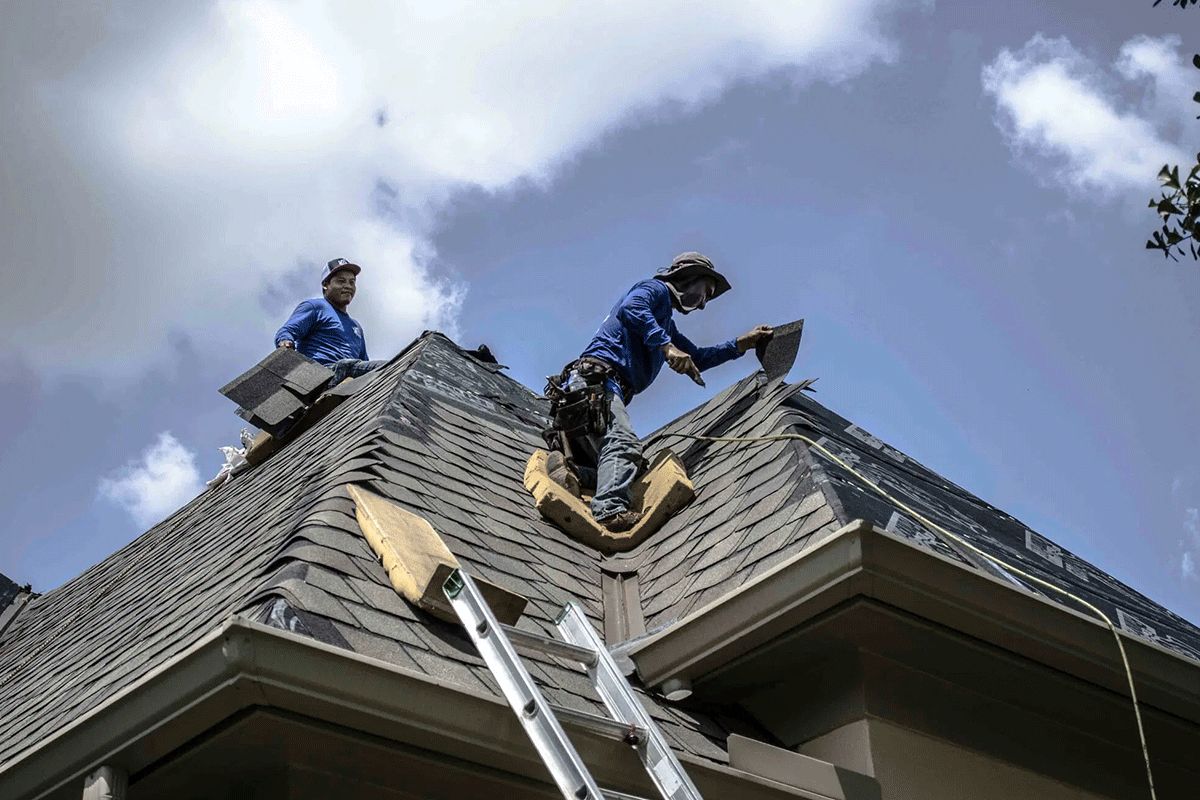
Roof Repair (Leak Fix + Flashing)
Leak traced to compromised flashing and missing shingles. Replaced damaged components, sealed transitions, and verified the repair with a controlled water test.
Materials Used (Roof Repair):
- Architectural asphalt shingles (matching color/line)
- Ice & water shield (peel-and-stick membrane) for vulnerable areas
- Synthetic underlayment patch (where needed)
- Step flashing / counter flashing (aluminum or galvanized steel)
- Pipe boot / vent flashing (as applicable)
- Roofing sealant (exterior-grade)
- Roofing nails (galvanized)
- Starter strip shingles (if repair requires edge rebuild)
- Starter strip shingles (if repair requires edge rebuild)
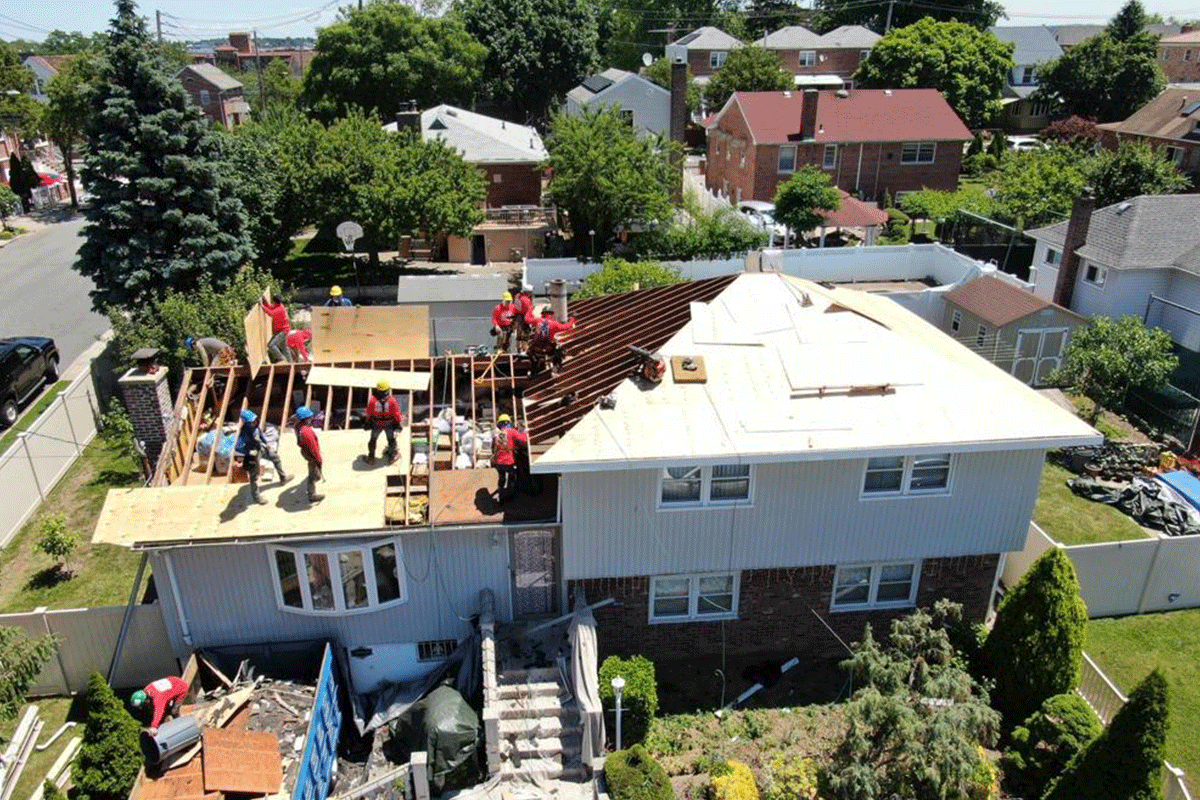
Roof Replacement (Full System)
Full roof replacement due to age and granule loss. Removed old materials, repaired decking where needed, upgraded protection at eaves/valleys, and installed a new ventilation-ready system.
Materials Used (Roof Replacement):
- Architectural shingles (or designer shingles, if applicable)
- Starter strip + ridge cap shingles
- Ice & water shield (eaves/valleys/penetrations)
- Synthetic underlayment (full coverage)
- Pipe boot / vent flashing (as applicable)
- Drip edge (aluminum) for eaves and rakes
- Valley protection (ice & water + woven/closed-cut valley as specified)
- Flashing package (chimney, walls, vents)
- Ridge vent system (with matching intake ventilation if required)
- Pipe boots / vent flashings
- Fasteners: galvanized roofing nails
- Plywood/OSB sheathing (only where replacement is needed)
Roof Repair (Leak Fix + Flashing)
Leak traced to compromised flashing and missing shingles. Replaced damaged components, sealed transitions, and verified the repair with a controlled water test.
Materials Used (Roof Repair):
- Architectural asphalt shingles (matching color/line)
- Ice & water shield (peel-and-stick membrane) for vulnerable areas
- Synthetic underlayment patch (where needed)
- Step flashing / counter flashing (aluminum or galvanized steel)
- Pipe boot / vent flashing (as applicable)
- Roofing sealant (exterior-grade)
- Roofing nails (galvanized)
- Starter strip shingles (if repair requires edge rebuild)
- Starter strip shingles (if repair requires edge rebuild)
Roof Replacement (Full System)
Full roof replacement due to age and granule loss. Removed old materials, repaired decking where needed, upgraded protection at eaves/valleys, and installed a new ventilation-ready system.
Materials Used (Roof Replacement):
- Architectural shingles (or designer shingles, if applicable)
- Starter strip + ridge cap shingles
- Ice & water shield (eaves/valleys/penetrations)
- Synthetic underlayment (full coverage)
- Pipe boot / vent flashing (as applicable)
- Drip edge (aluminum) for eaves and rakes
- Valley protection (ice & water + woven/closed-cut valley as specified)
- Flashing package (chimney, walls, vents)
- Ridge vent system (with matching intake ventilation if required)
- Pipe boots / vent flashings
- Fasteners: galvanized roofing nails
- Plywood/OSB sheathing (only where replacement is needed)
Our Services
Discount Coupon


Get a Free Roof Replacement Estimate
Roof Inspection After Storm Damage
Storm damage can create hidden entry points for water—even if you don’t see a leak yet.
We look for storm-related issues like:
-

Lifted or missing shingles/materials -

Damaged ridge or edge details -
Loose gutters pulling away and letting water run behind


-
Flashing shifts at chimneys and vents -
Impact points from debris


Why Homeowners Choose Done Rite
Roof replacement pricing depends on the roof system and the home not just square footage.
Clear, written estimates (no vague surprises)
Photo documentation and transparent communication
Options for repair or replacement based on real conditions

Clean jobsite and respectful crews
Scheduled work with timeline expectations
Clear next steps—no confusion
How Often Should You Get a Roof Inspection?
Frequency depends on roof age, storms, and any existing issues.
Common timing triggers:
After major storms or wind events
When you notice staining or attic moisture
Before buying/selling a home
When a roof is aging and nearing decision time
As part of routine exterior maintenance planning
Roof Inspection FAQs
What happens during a roof inspection?
We inspect roof surfaces and leak-prone details (flashing, valleys, penetrations, edges), document issues, and explain what’s needed next.
Will you provide photos?
Yes—photo documentation helps you understand findings and decide confidently.
Can a roof inspection find the source of a leak?
Often, yes. Some leaks are straightforward; others can be more complex. We’ll share what we can confirm and what next step makes sense.
Do I need a roof inspection if I’m not seeing leaks?
Yes—inspections can catch issues early, especially after storms or on aging roofs.
Do I need a permit just for an inspection?
No. Permits are typically tied to the scope of repair or replacement work, not the inspection itself.
We inspect roof surfaces and leak-prone details (flashing, valleys, penetrations, edges), document issues, and explain what’s needed next.
Yes—photo documentation helps you understand findings and decide confidently.
Often, yes. Some leaks are straightforward; others can be more complex. We’ll share what we can confirm and what next step makes sense.
Yes—inspections can catch issues early, especially after storms or on aging roofs.
No. Permits are typically tied to the scope of repair or replacement work, not the inspection itself.




