
Flat and low-slope roof installation done with clean seams, proper flashing, and drainage-focused detailing—backed by clear estimates and photo documentation.
Get a Free Estimate (973) 510-1541 Done Rite ExteriorsWritten estimates • Photo documentation • Clean jobsite • Warranty options





Flat & Low-Slope Roofing for Homes and Businesses
A flat roof can perform extremely well when the system is selected correctly and installed with the right details—especially at seams, edges, drains, and penetrations.
Flat roof installation is a great fit for:
-
 Home additions and low-slope roof sections
 -
Garages, porches, and extensions
-
Commercial buildings and storefronts
-
Replacement of aging flat roofs with recurring leaks
-
Projects where drainage and waterproofing matter most
 Home additions and low-slope roof sections
Flat roofs are a practical and versatile roofing option for both residential and commercial properties, offering a modern appearance and efficient use of space. When properly installed, a flat roof provides reliable protection against the elements while supporting equipment, walkways, or additional outdoor living areas. Because flat roofs are more susceptible to water pooling than pitched roofs, professional installation is essential for long-term performance and durability.
Flat roofing systems are constantly exposed to sun, rain, snow, ice, and temperature fluctuations. Without proper materials, drainage, and installation techniques, flat roofs can develop leaks, membrane damage, or insulation issues over time. Choosing an experienced contractor ensures your flat roof is designed and installed to withstand these challenges.
The flat roofing experts at Done Rite specialize in installing high-quality flat roof systems tailored to your property’s specific needs. We carefully assess your building structure, drainage requirements, and intended roof usage to recommend the most effective solution. Whether it’s modified bitumen, EPDM, TPO, or other flat roofing systems, our installations are designed for durability, energy efficiency, and weather resistance.
A professionally installed flat roof provides strong waterproofing, improved insulation, and long-term reliability. Proper layering, sealing, flashing, and drainage integration are critical components of our installation process, and we ensure every detail is handled with precision to create a watertight and secure roofing system.
Whether you’re replacing an aging flat roof or installing one on a new construction project, our team manages the entire process from start to finish. We use high-quality materials and proven installation methods to deliver flat roofs that perform efficiently and require minimal maintenance over time.
Some common reasons to consider a new flat roof installation include:
- New residential or commercial construction
- An old flat roof nearing the end of its lifespan
- Recurring leaks or water pooling issues
- Upgrading for better energy efficiency
- Structural renovations or building additions
If you’re planning a flat roof installation or need expert guidance on the best system for your property, Done Rite is here to help. Our experienced team delivers professional flat roof installations built for long-term performance and protection. Contact us today to schedule a consultation and get started with a flat roofing solution you can trust.
What’s Included in Done Rite Flat Roof Installation
Flat roofs fail most often at details—so we focus on doing the system correctly.
Your installation typically includes:
-
Removal of old roofing (as needed) and proper disposal
-
Deck/substrate inspection and recommendations for repairs if needed
-
Surface preparation for a stable install
-
Underlayment/base layer (as appropriate)
-
Membrane installation with correct overlaps/sealing (system-dependent)
-
Flashing and watertight detailing at edges, walls, and penetrations
-
Drainage review (ponding water is a common flat roof issue)
-
Full cleanup and final walkthrough
-
Warranty options explained clearly
Our Flat Roof Installation Process
You’ll know what’s happening before, during, and after the job.
 Step – 1
Inspection & photos
Step – 1
Inspection & photosWe assess the roof, identify problem areas, and document what we find.
Step – 2
Clear options & written estimateYou get a straightforward quote and a plan that fits your home.
Step – 3
Scheduling & prepWe confirm timeline, access, and protection for landscaping/driveway.
Step – 4
InstallationMembrane system installed with careful attention to seams, edges, and penetrations.
Step – 5
CleanupDebris removal, site cleanup, and nail sweep.
Step – 6
Final walkthroughWe review the work and answer questions.
Step – 7
Warranty handoffWarranty options and maintenance tips.
What Prevents Flat Roof Leaks (Where Quality Matters Most)
Most flat roof leaks start at details—not in the open field of the roof.
We focus on:
-
Drainage and ponding areas
-
Seams and transitions
-
Penetrations (vents, pipes, HVAC curbs)
-
Edge terminations and parapet details
-
Flashing and roof-to-wall connections
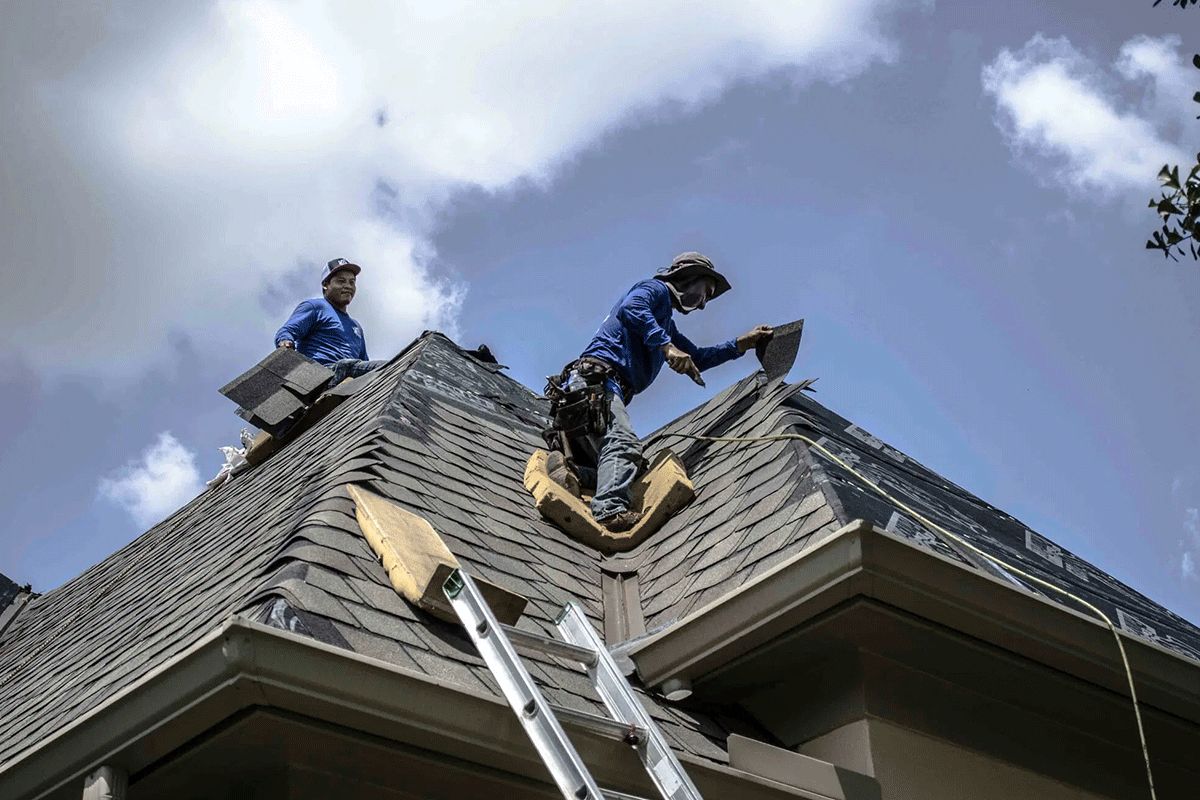
Roof Repair (Leak Fix + Flashing)
Leak traced to compromised flashing and missing shingles. Replaced damaged components, sealed transitions, and verified the repair with a controlled water test.
Materials Used (Roof Repair):
- Architectural asphalt shingles (matching color/line)
- Ice & water shield (peel-and-stick membrane) for vulnerable areas
- Synthetic underlayment patch (where needed)
- Step flashing / counter flashing (aluminum or galvanized steel)
- Pipe boot / vent flashing (as applicable)
- Roofing sealant (exterior-grade)
- Roofing nails (galvanized)
- Starter strip shingles (if repair requires edge rebuild)
- Starter strip shingles (if repair requires edge rebuild)
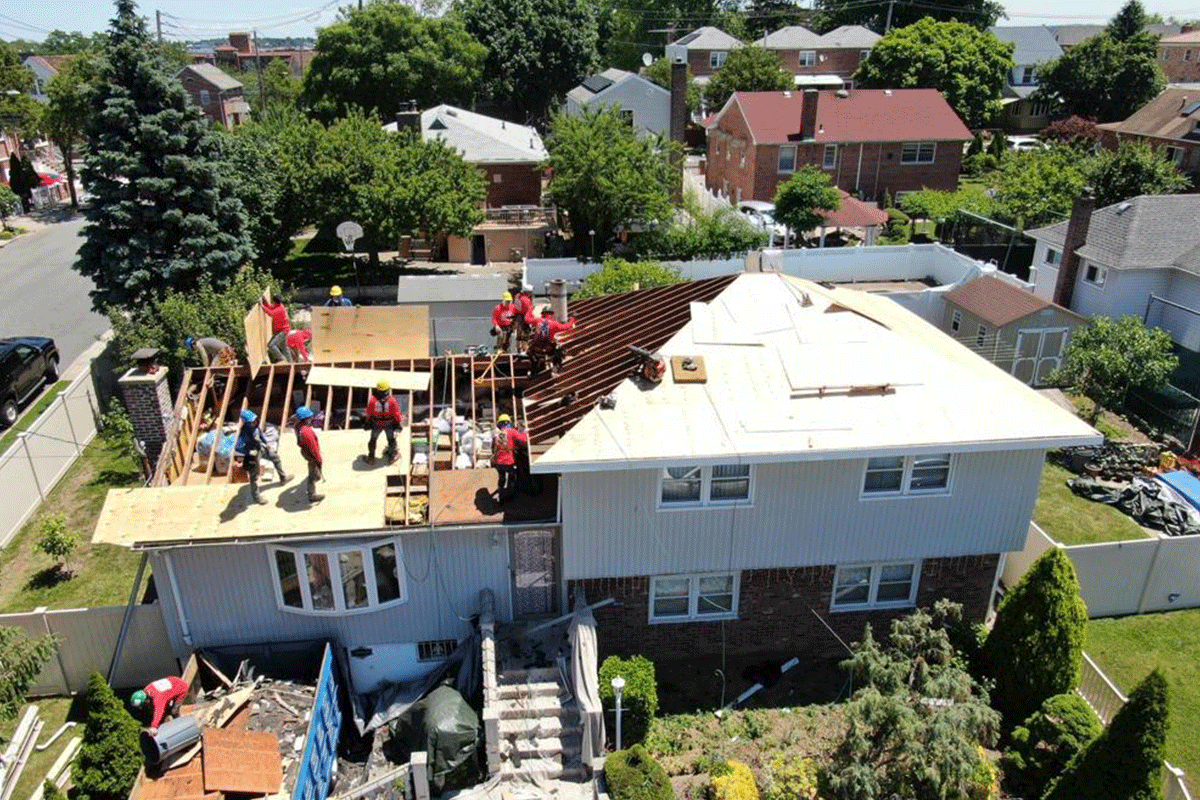
Roof Replacement (Full System)
Full roof replacement due to age and granule loss. Removed old materials, repaired decking where needed, upgraded protection at eaves/valleys, and installed a new ventilation-ready system.
Materials Used (Roof Replacement):
- Architectural shingles (or designer shingles, if applicable)
- Starter strip + ridge cap shingles
- Ice & water shield (eaves/valleys/penetrations)
- Synthetic underlayment (full coverage)
- Pipe boot / vent flashing (as applicable)
- Drip edge (aluminum) for eaves and rakes
- Valley protection (ice & water + woven/closed-cut valley as specified)
- Flashing package (chimney, walls, vents)
- Ridge vent system (with matching intake ventilation if required)
- Pipe boots / vent flashings
- Fasteners: galvanized roofing nails
- Plywood/OSB sheathing (only where replacement is needed)
Roof Repair (Leak Fix + Flashing)
Leak traced to compromised flashing and missing shingles. Replaced damaged components, sealed transitions, and verified the repair with a controlled water test.
Materials Used (Roof Repair):
- Architectural asphalt shingles (matching color/line)
- Ice & water shield (peel-and-stick membrane) for vulnerable areas
- Synthetic underlayment patch (where needed)
- Step flashing / counter flashing (aluminum or galvanized steel)
- Pipe boot / vent flashing (as applicable)
- Roofing sealant (exterior-grade)
- Roofing nails (galvanized)
- Starter strip shingles (if repair requires edge rebuild)
- Starter strip shingles (if repair requires edge rebuild)
Roof Replacement (Full System)
Full roof replacement due to age and granule loss. Removed old materials, repaired decking where needed, upgraded protection at eaves/valleys, and installed a new ventilation-ready system.
Materials Used (Roof Replacement):
- Architectural shingles (or designer shingles, if applicable)
- Starter strip + ridge cap shingles
- Ice & water shield (eaves/valleys/penetrations)
- Synthetic underlayment (full coverage)
- Pipe boot / vent flashing (as applicable)
- Drip edge (aluminum) for eaves and rakes
- Valley protection (ice & water + woven/closed-cut valley as specified)
- Flashing package (chimney, walls, vents)
- Ridge vent system (with matching intake ventilation if required)
- Pipe boots / vent flashings
- Fasteners: galvanized roofing nails
- Plywood/OSB sheathing (only where replacement is needed)
Our Services
Discount Coupon


Get a Free Roof Replacement Estimate
What Affects Flat Roof Installation Cost in New Jersey?
Flat roof pricing is driven by the roof’s condition and detail complexity.
Key cost factors include:
-
 Substrate repairs (if needed)
 -
 Tear-off requirements and disposal
 -
System selection (materials and components)
 Substrate repairs (if needed)
 Tear-off requirements and disposal
 System selection (materials and components)
-
Number of penetrations and flashing details
-
Drainage needs and ponding issues
-
Edge metal/parapet termination complexity
 Number of penetrations and flashing details
 Drainage needs and ponding issues
 Edge metal/parapet termination complexity
Why Choose Done Rite for Flat Roofing
Roof replacement pricing depends on the roof system and the home not just square footage.
Clear, written estimates (no vague surprises)
Photo documentation and transparent communication
Strong focus on flat-roof leak points (seams, drains, penetrations)

Clean jobsite and respectful crews
Scheduled work with timeline expectations
Warranty options explained in plain language
How Long Does Flat Roof Installation Take?
Timeline depends on roof size, access, tear-off requirements, weather, and complexity.
Factors that affect schedule:
Square footage and roof layout
Existing layers and removal needs
Deck/substrate repairs if needed
Number of penetrations (vents/HVAC)
Weather windows and safety conditions
We’ll provide a realistic schedule and keep you updated.
Get a Free EstimateFlat Roof Installation FAQs
What is the best material for a flat roof in New Jersey?
It depends on your roof layout, drainage, sun exposure, equipment/penetrations, and budget. We’ll recommend the best system for your specific property.
How long does a flat roof last?
Lifespan depends on system type, installation quality, drainage, foot traffic, and maintenance. We’ll explain what to expect after inspection.
What causes flat roof leaks?
Most leaks come from seam failure, flashing/edge terminations, penetrations, or ponding water—not the open field of the roof.
Can you install a flat roof over an existing roof?
Sometimes, but it depends on the condition of the existing system, moisture presence, and local requirements. We’ll inspect and recommend the safest approach.
Do I need a permit for flat roof installation in New Jersey?
Permit requirements vary by municipality and project scope. If a permit is required, we’ll help confirm what applies and guide next steps.
It depends on your roof layout, drainage, sun exposure, equipment/penetrations, and budget. We’ll recommend the best system for your specific property.
Lifespan depends on system type, installation quality, drainage, foot traffic, and maintenance. We’ll explain what to expect after inspection.
Most leaks come from seam failure, flashing/edge terminations, penetrations, or ponding water—not the open field of the roof.
Sometimes, but it depends on the condition of the existing system, moisture presence, and local requirements. We’ll inspect and recommend the safest approach.
Permit requirements vary by municipality and project scope. If a permit is required, we’ll help confirm what applies and guide next steps.
CALL NOW (973) 510-1541



