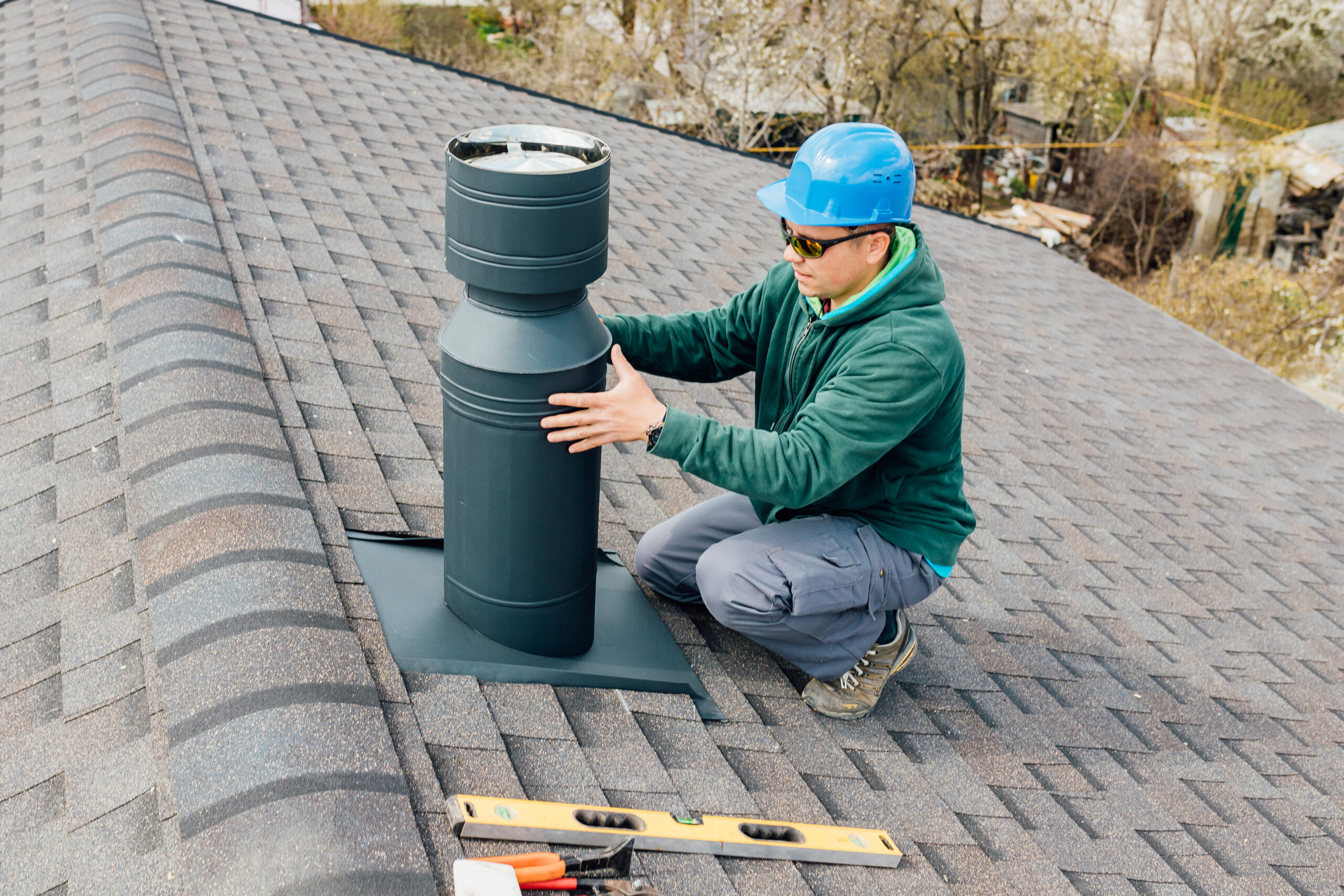




Replace a failing chimney with a durable, properly detailed system that helps prevent leaks, improves long-term stability, and restores peace of mind—backed by clear estimates and photo documentation.
Get a Free Estimate (973) 510-1541 Done Rite ExteriorsWritten estimates • Photo documentation • Clean jobsite • Clear next steps

When Chimney Replacement Makes More Sense Than Repair
Some chimney issues can be repaired. Others are signs the structure is beyond “patches” and a replacement (full rebuild or major rebuild) is the smarter long-term solution.
Common reasons homeowners choose chimney replacement:
-
Chimney is leaning, separating, or structurally unstable -
Widespread cracking, spalling, or severe mortar failure -
Chronic chimney leaks despite repeated repairs -
Major crown failure and advanced moisture damage -
Significant deterioration from long-term freeze/thaw exposure -
A rebuild is needed to properly integrate with a roof replacement or renovation -
The chimney no longer performs correctly and components are failing
Not sure if you need repair or replacement? We’ll inspect and explain the best path—clearly and honestly.
Get a Free Inspection & QuoteOver time, even a well-built chimney can deteriorate due to age, weather exposure, moisture intrusion, and constant temperature changes. When damage becomes extensive or the chimney no longer meets safety standards, replacement is often the safest and most cost-effective solution. A properly replaced chimney restores reliable performance while protecting your home from fire hazards, carbon monoxide exposure, and water damage.
Cracked masonry, failing mortar joints, leaning structures, and outdated flue systems are common signs that a chimney may be beyond repair. Continuing to use a severely damaged chimney can lead to serious safety risks, including poor ventilation, smoke backup, and structural instability. That’s why timely chimney replacement is essential when repairs are no longer sufficient.
The chimney specialists at Done Rite provide complete chimney replacement services designed to ensure safety, efficiency, and long-term durability. We begin with a thorough inspection to assess the condition of your existing chimney and determine the best replacement solution. Whether you need a full masonry rebuild or a modern factory-built chimney system, our team delivers installations that meet current building codes and performance standards.
A new chimney improves draft efficiency, reduces maintenance needs, and provides superior protection against moisture and heat damage. Proper flashing, sealing, and venting are integral parts of every replacement project, and we ensure your new chimney integrates seamlessly with your roof for a secure, watertight finish.
Whether your chimney has been compromised by years of wear, severe weather, or structural failure, our team handles the entire replacement process with precision and care. We use high-quality materials and proven construction methods to deliver a chimney system built to withstand the elements and perform safely for years to come.
Some common reasons a chimney replacement may be necessary include:
- Severe cracking or crumbling masonry
- A leaning or unstable chimney structure
- Extensive water damage or corrosion
- Outdated or non-compliant flue systems
- Repeated repairs that no longer resolve the issue
- Major storm or impact damage
If your chimney is no longer safe or functional, Done Rite is here to help. Our professional chimney replacement services provide peace of mind and long-lasting protection for your home. Contact us today to schedule an inspection and find out if chimney replacement is the right solution for your property.
What Chimney Replacement Includes
Chimney replacement is more than rebuilding brick. The goal is a stable chimney with proper roof integration and water management.
A chimney replacement project may include:
-
Inspection + photo documentation and scope planning -
Removal of damaged chimney sections (partial) or full teardown (when required) -
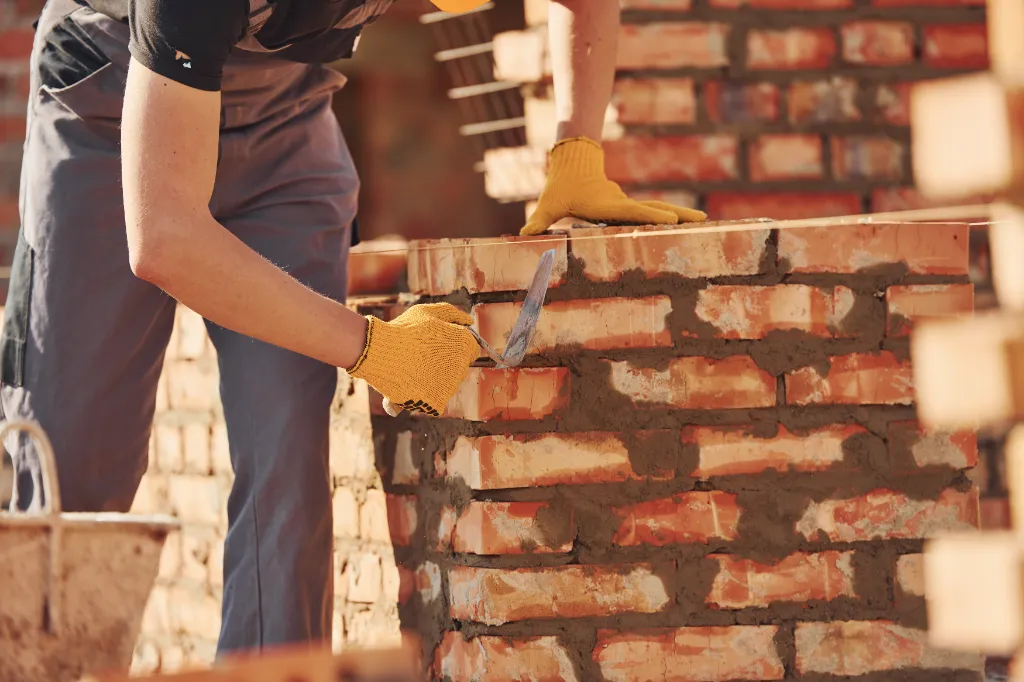
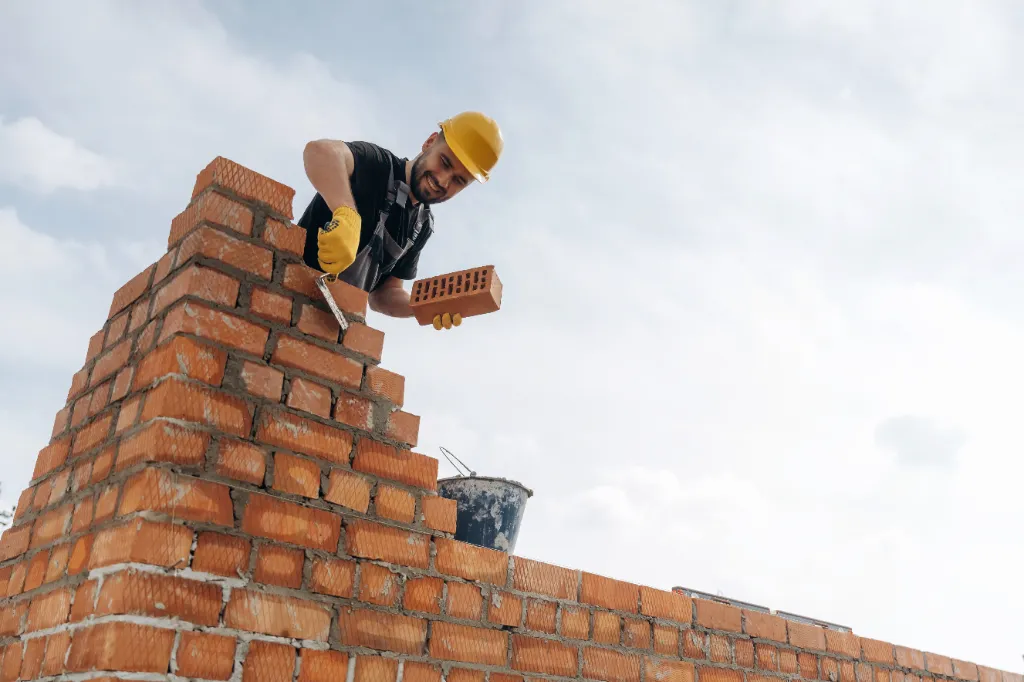
Rebuild/replacement of the chimney structure as needed -
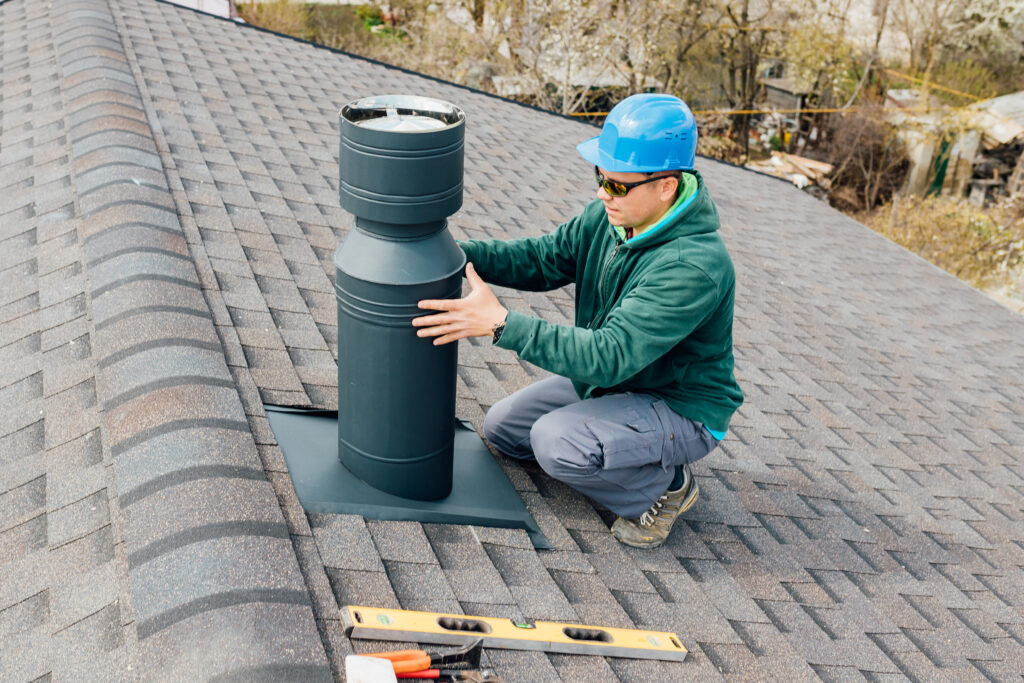
Proper roof-to-chimney flashing integration (critical for leak prevention) -
New crown (top protection detail) as part of the rebuild scope -
Chimney cap installation (recommended for protection) -
Final walkthrough + next-step guidance

Our Chimney Replacement Process
You’ll know what’s happening before, during, and after the job.
Step – 1
Inspection & photosWe document structural condition, leakage points, and roof tie-in details.
Step – 2
Clear options & written estimateClear scope: repair vs partial rebuild vs full replacement.
Step – 3
Scheduling & prepAccess planning, site protection, and jobsite setup.
Step – 4
Removal (as needed)Safe removal of failing sections or full teardown for replacement.
Step – 5
Replacement / rebuildChimney rebuilt with stability and alignment in mind.
Step – 6
Flashing & waterproof detailingRoof integration done correctly to reduce recurring leaks.
Step – 7
Cleanup & walkthroughFinal review, photos, and documentation.
Step – 8
Next-step guidanceMaintenance tips and what to monitor over time.
Chimney Flashing: The Detail That Prevents “New Chimney” Leaks
Many chimney leaks come from the transition where the chimney meets the roof.
During replacement, we pay close attention to:
-
Proper flashing integration at the roof line -
Clean transitions that shed water correctly -
Durable detailing (not just surface sealant)
Roof Repair (Leak Fix + Flashing)
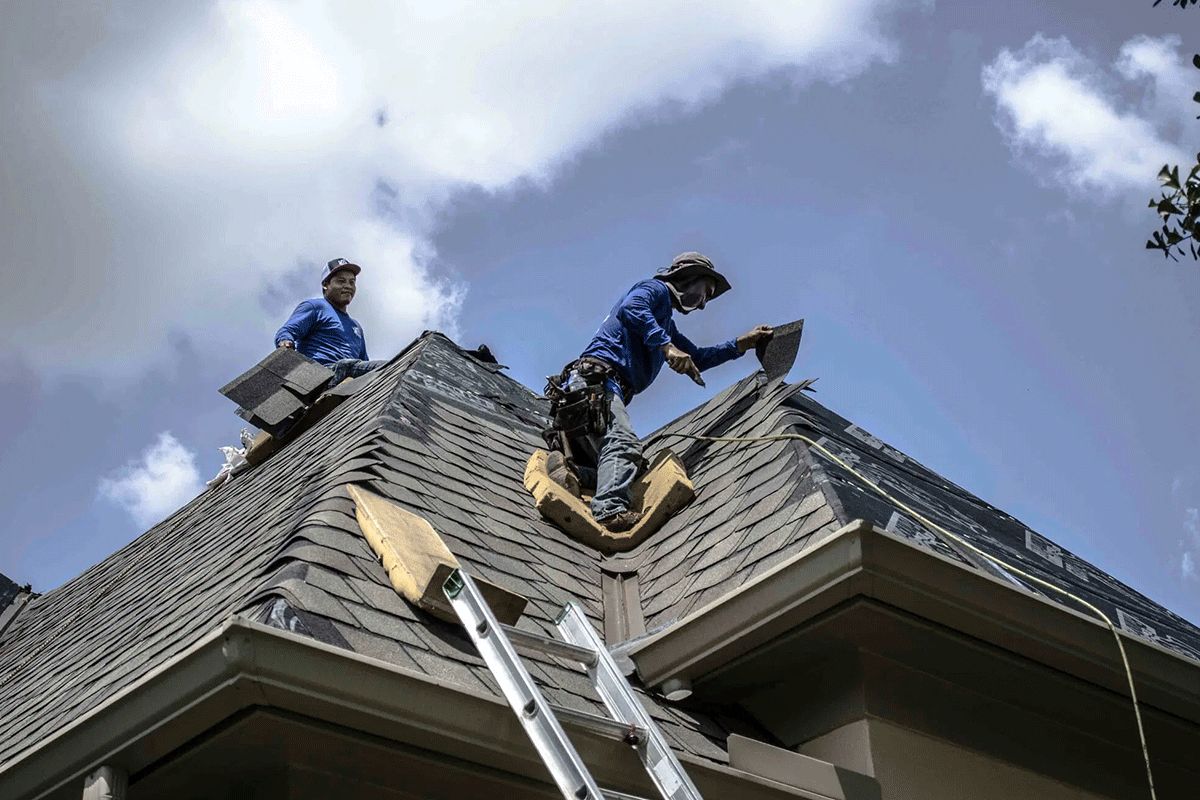
Leak traced to compromised flashing and missing shingles. Replaced damaged components, sealed transitions, and verified the repair with a controlled water test.
Materials Used (Roof Repair):
- Architectural asphalt shingles (matching color/line)
- Ice & water shield (peel-and-stick membrane) for vulnerable areas
- Synthetic underlayment patch (where needed)
- Step flashing / counter flashing (aluminum or galvanized steel)
- Pipe boot / vent flashing (as applicable)
- Roofing sealant (exterior-grade)
- Roofing nails (galvanized)
- Starter strip shingles (if repair requires edge rebuild)

Roof Replacement (Full System)
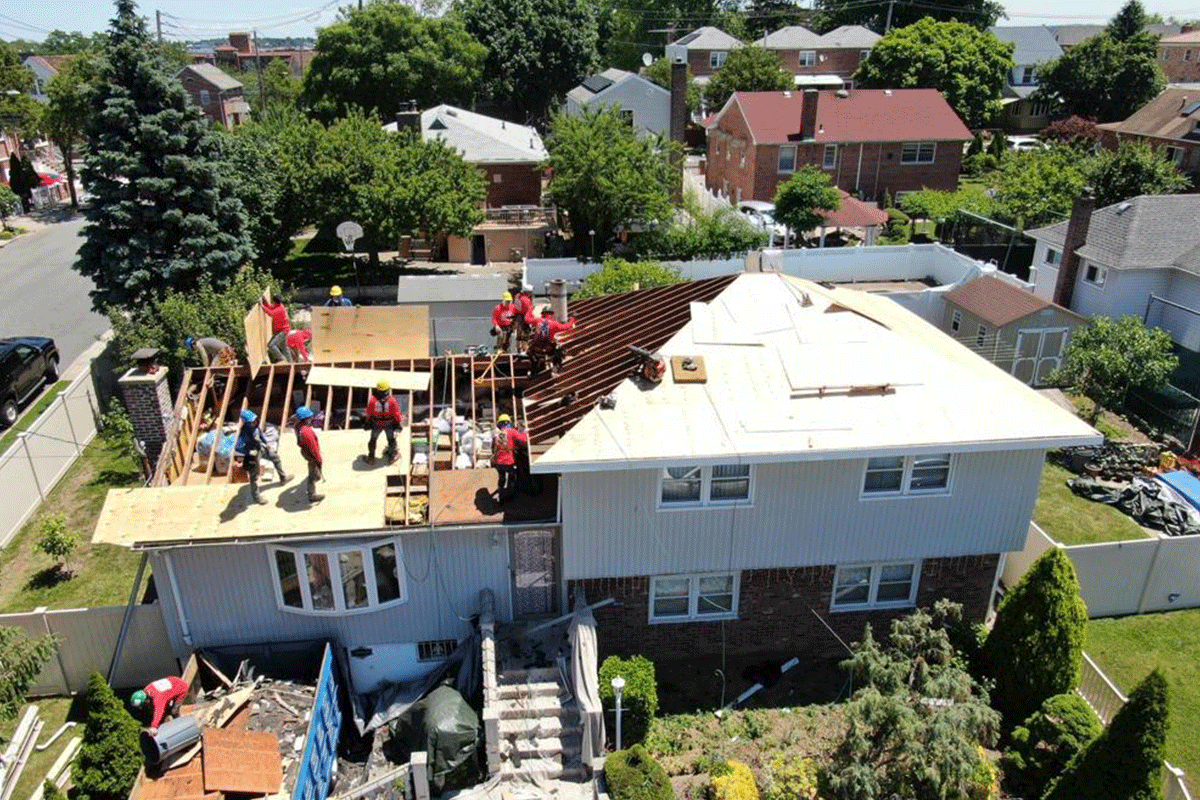
Full roof replacement due to age and granule loss. Removed old materials, repaired decking where needed, upgraded protection at eaves/valleys, and installed a new ventilation-ready system.
Materials Used (Roof Replacement):
- Architectural shingles (or designer shingles, if applicable)
- Starter strip + ridge cap shingles
- Ice & water shield (eaves/valleys/penetrations)
- Synthetic underlayment (full coverage)
- Pipe boot / vent flashing (as applicable)
- Drip edge (aluminum) for eaves and rakes
- Valley protection (ice & water + woven/closed-cut valley as specified)
- Flashing package (chimney, walls, vents)
- Ridge vent system (with matching intake ventilation if required)
- Pipe boots / vent flashings
- Fasteners: galvanized roofing nails
- Plywood/OSB sheathing (only where replacement is needed)

Roof Repair (Leak Fix + Flashing)
Leak traced to compromised flashing and missing shingles. Replaced damaged components, sealed transitions, and verified the repair with a controlled water test.
Materials Used (Roof Repair):
- Architectural asphalt shingles (matching color/line)
- Ice & water shield (peel-and-stick membrane) for vulnerable areas
- Synthetic underlayment patch (where needed)
- Step flashing / counter flashing (aluminum or galvanized steel)
- Pipe boot / vent flashing (as applicable)
- Roofing sealant (exterior-grade)
- Roofing nails (galvanized)
- Starter strip shingles (if repair requires edge rebuild)

Roof Replacement (Full System)
Full roof replacement due to age and granule loss. Removed old materials, repaired decking where needed, upgraded protection at eaves/valleys, and installed a new ventilation-ready system.
Materials Used (Roof Replacement):
- Architectural shingles (or designer shingles, if applicable)
- Starter strip + ridge cap shingles
- Ice & water shield (eaves/valleys/penetrations)
- Synthetic underlayment (full coverage)
- Pipe boot / vent flashing (as applicable)
- Drip edge (aluminum) for eaves and rakes
- Valley protection (ice & water + woven/closed-cut valley as specified)
- Flashing package (chimney, walls, vents)
- Ridge vent system (with matching intake ventilation if required)
- Pipe boots / vent flashings
- Fasteners: galvanized roofing nails
- Plywood/OSB sheathing (only where replacement is needed)
Our Services
Discount Coupon

Get a Free Roof Replacement Estimate
What Affects Chimney Replacement Cost in New Jersey?
Chimney replacement pricing depends heavily on scope and access.
Key cost factors include:
-
Partial rebuild vs full chimney replacement -
Chimney height/size and roof access difficulty -
Extent of removal and disposal required
-
Flashing integration complexity at the roof line -
Crown and cap components -
Any related roofing work needed at the tie-in
Why Homeowners Choose Done Rite
Roof replacement pricing depends on the roof system and the home not just square footage.
Clear, written estimates (no vague surprises)
Photo documentation and transparent communication
Strong focus on leak prevention (flashing and crown details)

Clean jobsite and respectful crews
Scheduled work with timeline expectations
Practical recommendations—no pressure

How Long Does Chimney Replacement Take?
Timeline depends on whether it’s a partial rebuild or a full replacement.
Factors that affect scheduling:
Full replacement vs partial rebuild scope
Chimney height and roof pitch/access
Weather windows and safety conditions
Roof-to-chimney flashing complexity
Material availability and curing time (when applicable)
We’ll provide a realistic timeline before work begins.
Get a Free EstimateChimney Replacement FAQs
Do I need a permit for chimney replacement in New Jersey?
Permit requirements can vary by municipality and scope. If a permit is required, we’ll help confirm what your town needs and guide the process.
Can you rebuild only the top portion of the chimney?
Sometimes. If the lower structure is stable, a partial rebuild may be possible. We’ll inspect and recommend the best approach.
Will chimney replacement stop leaks?
If leaks are caused by structural failure, crown issues, or poor roof-to-chimney detailing, replacement with proper flashing integration can solve the root problem.
Do you replace chimney flashing during replacement?
Flashing is one of the most common leak sources. We pay close attention to proper roof integration and repair/replace flashing details as needed.
How do I know if my chimney is unsafe?
Leaning, severe cracking, loose bricks, major spalling, and recurring moisture damage are common warning signs. An inspection is the best way to confirm the condition.
Permit requirements can vary by municipality and scope. If a permit is required, we’ll help confirm what your town needs and guide the process.
Sometimes. If the lower structure is stable, a partial rebuild may be possible. We’ll inspect and recommend the best approach.
If leaks are caused by structural failure, crown issues, or poor roof-to-chimney detailing, replacement with proper flashing integration can solve the root problem.
Flashing is one of the most common leak sources. We pay close attention to proper roof integration and repair/replace flashing details as needed.
Leaning, severe cracking, loose bricks, major spalling, and recurring moisture damage are common warning signs. An inspection is the best way to confirm the condition.
CALL NOW (973) 510-1541
Chimney height/size and roof access difficulty
Extent of removal and disposal required
Flashing integration complexity at the roof line
Crown and cap components
Any related roofing work needed at the tie-in