Professional chimney cleaning to help improve safety, performance, and indoor air quality—plus a clear inspection so you know what your system needs.
Get a Free Estimate (973) 510-1541 Done Rite ExteriorsWritten estimates • Photo documentation • Clean jobsite • Warranty options
Why Chimney Cleaning Matters
A chimney that isn’t cleaned regularly can develop buildup that affects draft and performance. Cleaning also gives you a chance to spot issues early—before they become expensive repairs.
Chimney cleaning helps with:
-
 Reducing soot and buildup in the flue
 -
Improving airflow and draft
-
Identifying blockages or ventilation issues
-
Keeping your fireplace or stove operating more efficiently
-
Noticing early signs of wear (liner issues, crown problems, damaged caps)
 Reducing soot and buildup in the flue
Not sure if your chimney needs cleaning? We’ll inspect and tell you honestly if a cleaning is necessary.
Get a Free Inspection & QuoteRegular chimney cleaning is essential for maintaining a safe, efficient, and properly functioning fireplace or heating system. Over time, soot, creosote, ash, debris, and even animal nests can build up inside your chimney. If left unaddressed, these materials can restrict airflow, increase the risk of chimney fires, and allow harmful gases like carbon monoxide to enter your home.
Because chimneys are used seasonally and often out of sight, buildup can go unnoticed until it becomes a serious safety hazard. Creosote, in particular, is highly flammable and is one of the leading causes of chimney fires. Even a thin layer can pose a risk, which is why professional chimney cleaning is a critical part of routine home maintenance.
The chimney professionals at Done Rite provide thorough chimney cleaning services designed to remove dangerous buildup and restore proper airflow. Our team uses professional-grade tools and proven techniques to safely clean your chimney from top to bottom, ensuring that smoke and gases vent efficiently out of your home.
A properly cleaned chimney not only reduces fire risk but also improves the performance of your fireplace or heating appliance. It helps eliminate smoky odors, prevents downdrafts, and ensures consistent, efficient burning. Regular cleanings can also extend the lifespan of your chimney by preventing corrosion, moisture retention, and long-term structural damage.
Whether you use your fireplace frequently or only occasionally, routine chimney cleaning is recommended at least once a year—especially before the heating season begins. Our team carefully inspects your chimney during the cleaning process to identify early signs of damage, blockages, or wear that may require attention before they turn into costly repairs.
Some common signs that your chimney may need professional cleaning include:
- Smoke backing up into your home
- A strong, smoky, or burnt odor near the fireplace
- Poor draft or difficulty starting fires
- Black soot buildup around the fireplace opening
- Visible creosote or debris inside the chimney
- Unusual noises from birds or animals inside the chimney
If you’re experiencing any of these issues or it’s been a while since your last cleaning, don’t wait. Done Rite offers reliable, professional chimney cleaning services to help keep your home safe, comfortable, and efficient. Contact us today to schedule your chimney cleaning and enjoy peace of mind knowing your system is operating at its best.
What’s Included in Done Rite Chimney Cleaning
We keep the process straightforward and respectful of your home.
Our chimney cleaning service typically includes:
-
Basic assessment of the fireplace/stove setup and chimney access
-
Flue cleaning to remove soot and buildup
-
Check for obvious blockages or drafting concerns
-
Cleanup and dust control (we protect the area around the fireplace)
-
Recommendations if we spot issues that may need attention
Our Chimney Cleaning Process
You’ll know what’s happening before, during, and after the job.
 Step – 1
Scheduling & quick intake
Step – 1
Scheduling & quick intakeWe confirm your system type and best access.
Step – 2
Protect the areaFloor and surrounding area protection before work starts.
Step – 3
CleaningFlue cleaned to remove soot and buildup.
Step – 4
Basic checkWe look for visible issues such as blockage signs, cap concerns, or obvious deterioration.
Step – 5
Cleanup & next stepsWe leave the area clean and explain what we found.
When Should You Schedule Chimney Cleaning?
Timing depends on usage, fuel type, and system condition.
Many homeowners schedule chimney cleaning:
-
Before the heavy-use season
-
After a year of regular fireplace/stove use
-
When draft seems weaker or smoke backs up
-
If there’s an unusual odor near the fireplace
-
After storms if you suspect debris or animal nesting
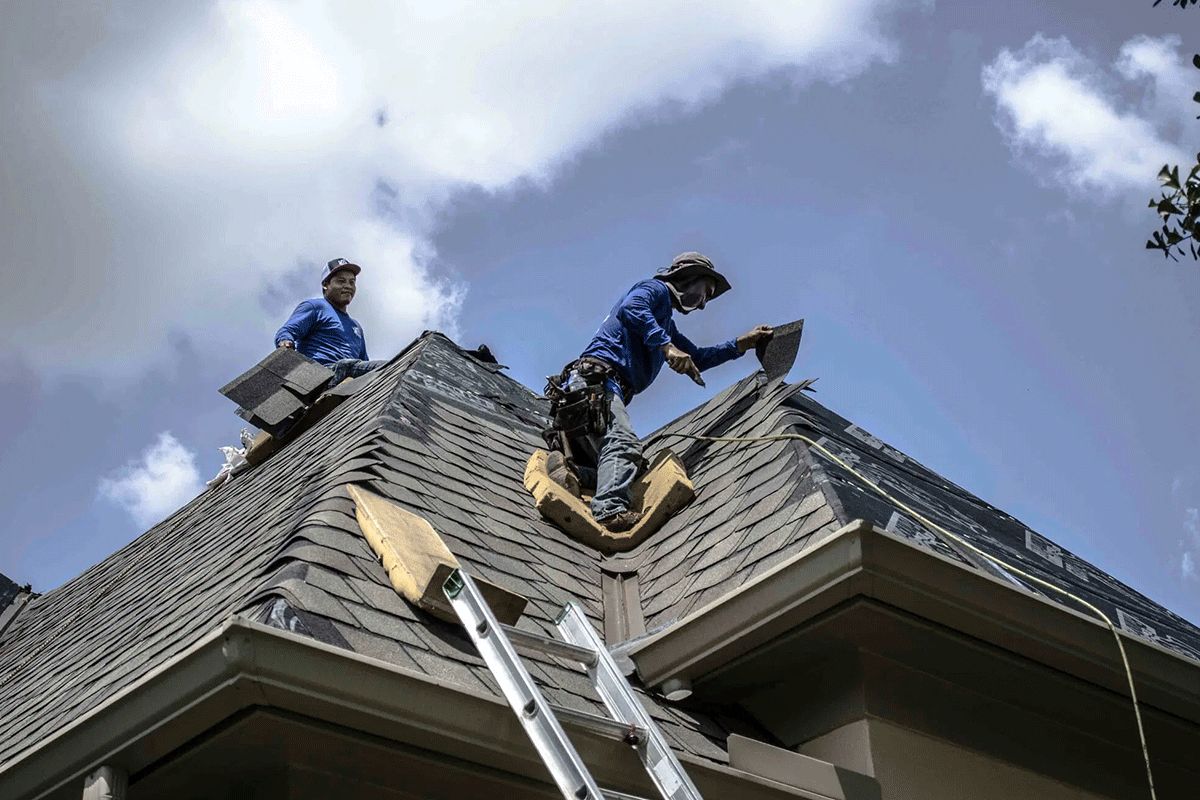
Roof Repair (Leak Fix + Flashing)
Leak traced to compromised flashing and missing shingles. Replaced damaged components, sealed transitions, and verified the repair with a controlled water test.
Materials Used (Roof Repair):
- Architectural asphalt shingles (matching color/line)
- Ice & water shield (peel-and-stick membrane) for vulnerable areas
- Synthetic underlayment patch (where needed)
- Step flashing / counter flashing (aluminum or galvanized steel)
- Pipe boot / vent flashing (as applicable)
- Roofing sealant (exterior-grade)
- Roofing nails (galvanized)
- Starter strip shingles (if repair requires edge rebuild)
- Starter strip shingles (if repair requires edge rebuild)
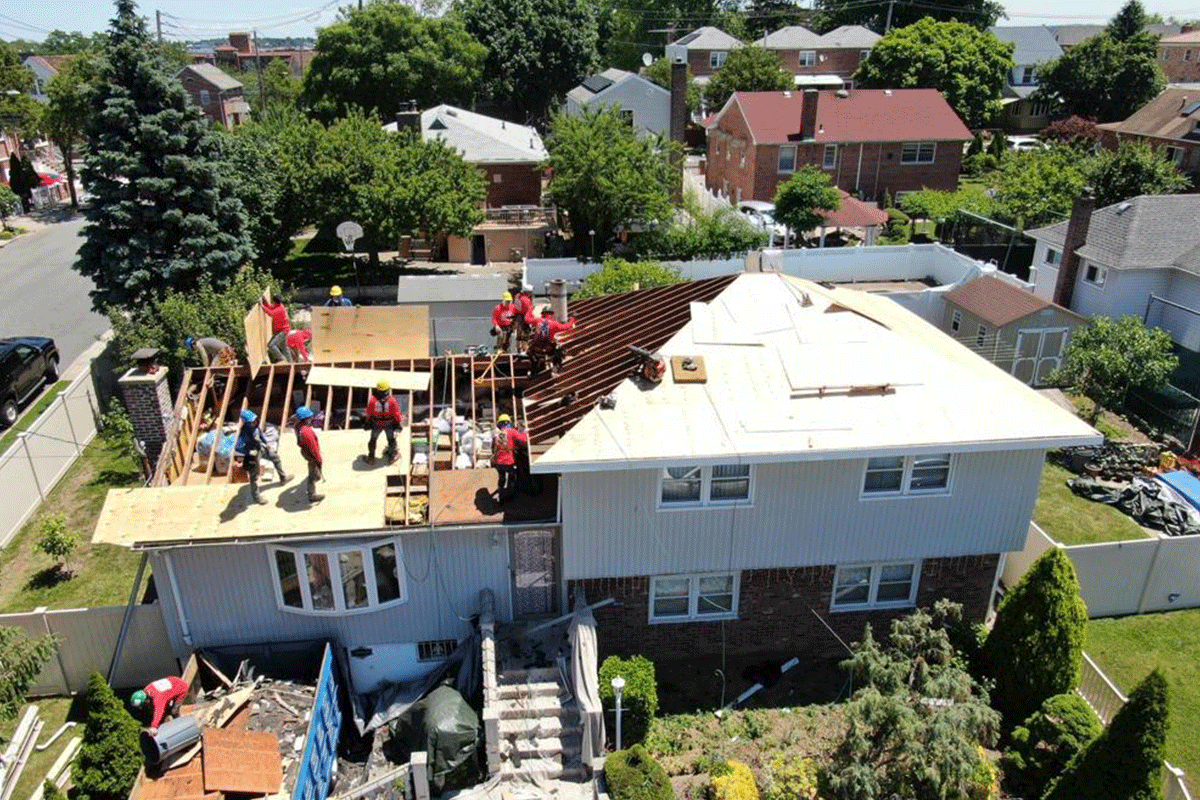
Roof Replacement (Full System)
Full roof replacement due to age and granule loss. Removed old materials, repaired decking where needed, upgraded protection at eaves/valleys, and installed a new ventilation-ready system.
Materials Used (Roof Replacement):
- Architectural shingles (or designer shingles, if applicable)
- Starter strip + ridge cap shingles
- Ice & water shield (eaves/valleys/penetrations)
- Synthetic underlayment (full coverage)
- Pipe boot / vent flashing (as applicable)
- Drip edge (aluminum) for eaves and rakes
- Valley protection (ice & water + woven/closed-cut valley as specified)
- Flashing package (chimney, walls, vents)
- Ridge vent system (with matching intake ventilation if required)
- Pipe boots / vent flashings
- Fasteners: galvanized roofing nails
- Plywood/OSB sheathing (only where replacement is needed)
Roof Repair (Leak Fix + Flashing)
Leak traced to compromised flashing and missing shingles. Replaced damaged components, sealed transitions, and verified the repair with a controlled water test.
Materials Used (Roof Repair):
- Architectural asphalt shingles (matching color/line)
- Ice & water shield (peel-and-stick membrane) for vulnerable areas
- Synthetic underlayment patch (where needed)
- Step flashing / counter flashing (aluminum or galvanized steel)
- Pipe boot / vent flashing (as applicable)
- Roofing sealant (exterior-grade)
- Roofing nails (galvanized)
- Starter strip shingles (if repair requires edge rebuild)
- Starter strip shingles (if repair requires edge rebuild)
Roof Replacement (Full System)
Full roof replacement due to age and granule loss. Removed old materials, repaired decking where needed, upgraded protection at eaves/valleys, and installed a new ventilation-ready system.
Materials Used (Roof Replacement):
- Architectural shingles (or designer shingles, if applicable)
- Starter strip + ridge cap shingles
- Ice & water shield (eaves/valleys/penetrations)
- Synthetic underlayment (full coverage)
- Pipe boot / vent flashing (as applicable)
- Drip edge (aluminum) for eaves and rakes
- Valley protection (ice & water + woven/closed-cut valley as specified)
- Flashing package (chimney, walls, vents)
- Ridge vent system (with matching intake ventilation if required)
- Pipe boots / vent flashings
- Fasteners: galvanized roofing nails
- Plywood/OSB sheathing (only where replacement is needed)
Our Services
Discount Coupon


Get a Free Roof Replacement Estimate
Chimney Cleaning Cost in New Jersey: What Affects Price?
Costs vary depending on access and the type of system.
Common pricing factors:
-
 Fireplace vs wood stove setup
 -
 Chimney height and accessibility
 -
Level of buildup and last cleaning date
 Fireplace vs wood stove setup
 Chimney height and accessibility
 Level of buildup and last cleaning date
-
Condition of the flue and components
-
Need for additional services (cap replacement, minor repairs, etc.)
 Condition of the flue and components
 Need for additional services (cap replacement, minor repairs, etc.)
Why Homeowners Choose Done Rite
We keep the process straightforward and respectful of your home.
Clear, written estimates (no vague surprises)
Photo documentation and transparent communication
Clear explanation of what we found and what matters most
Clean jobsite and respectful crews
Scheduled work with timeline expectations
Practical recommendations—not pressure
Signs Your Chimney May Need Cleaning
Smoke enters the room instead of drafting upward
Strong soot or “smoky” odor near the fireplace
Black residue around the fireplace opening
Fireplace is harder to start or burns poorly
You suspect debris, nesting, or a damaged cap
Ready to book? We’ll confirm your setup, schedule a visit, and take care of the rest.
Get a Free EstimateChimney Cleaning FAQs
How often should a chimney be cleaned?
It depends on how often you use your fireplace/stove and what type of fuel you burn. Many homeowners schedule cleaning periodically, especially before heavy-use season.
How long does chimney cleaning take?
Most cleanings are completed in a standard appointment window, depending on access and buildup. We’ll confirm expectations when scheduling.
Will chimney cleaning make a mess in my home?
We protect the area around the fireplace and focus on dust control and cleanup so the space is left tidy.
Do you also inspect the chimney?
We do a basic check for visible issues and can recommend next steps if something needs attention.
Can chimney cleaning help with smoke coming into the room?
Smoke issues can come from airflow/draft, blockages, caps, or other problems. Cleaning can help if buildup or obstruction is a factor, and we’ll explain what we see.
It depends on how often you use your fireplace/stove and what type of fuel you burn. Many homeowners schedule cleaning periodically, especially before heavy-use season.
Most cleanings are completed in a standard appointment window, depending on access and buildup. We’ll confirm expectations when scheduling.
We protect the area around the fireplace and focus on dust control and cleanup so the space is left tidy.
We do a basic check for visible issues and can recommend next steps if something needs attention.
Smoke issues can come from airflow/draft, blockages, caps, or other problems. Cleaning can help if buildup or obstruction is a factor, and we’ll explain what we see.
CALL NOW (973) 510-1541



